
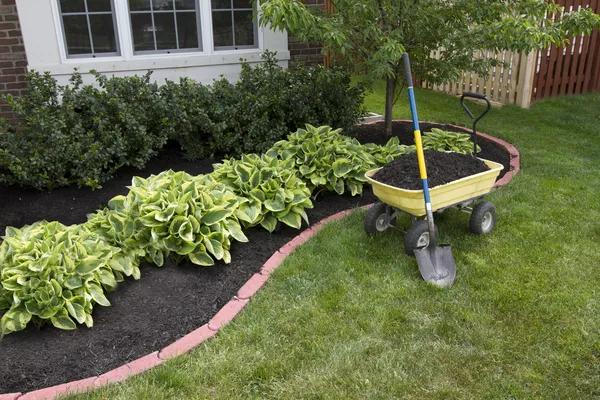
As a gardener, I’m always on the lookout for innovative materials that can enhance my outdoor spaces. Recently, I’ve noticed that rubberized mulch is a topic that keeps cropping up in gardening circles. More and more people are considering this synthetic mulch option for their landscapes. But why does it matter so much? Well, it seems that while traditional mulch options like wood chips and bark are still popular, the convenience and longevity of rubber landscape mulch are hard to ignore.
The Appeal of Artificial Mulch
Rubberized mulch, often referred to as fake mulch or artificial mulch, is made from recycled rubber, usually sourced from old tires. Its appeal lies in its durability and low maintenance. Unlike organic mulch, which decomposes over time, synthetic mulch can last for years without needing replacement. This makes it an attractive option for those of us who don’t want to spend every spring refreshing our garden beds.
Environmental Considerations
One of the primary concerns I had when first learning about rubberized mulch was its environmental impact. On one hand, it’s a great way to recycle old tires, keeping them out of landfills. On the other, there are questions about potential chemical leaching into the soil. I’ve read that some studies suggest the risk is minimal, but this is something I would recommend researching further if you’re considering rubberized mulch for edible gardens.
Practical Benefits
From a practical standpoint, rubber landscape mulch offers several benefits. It’s an excellent insulator, helping to maintain consistent soil temperatures and retain moisture. This means less frequent watering, an aspect I really appreciate during hot summer months. Additionally, its weight helps it stay in place, even during heavy rains, which is a common problem with lighter organic mulches.
Aesthetic Versatility
Aesthetically, rubberized mulch comes in various colors, allowing for a customized look to match your landscape design. Whether you’re aiming for a natural wood tone or a more vibrant hue, there’s likely a synthetic mulch option to fit your style. This versatility is a significant advantage for anyone looking to create a specific visual effect in their garden.
In conclusion, while rubberized mulch has its pros and cons, it seems like a viable option for those looking for a durable, low-maintenance ground cover. As with any gardening decision, it’s essential to weigh the environmental implications and consider your personal preferences. Whether you choose rubberized mulch or stick with traditional options, the key is finding what works best for your unique garden needs.
https://bossofmyfeelings.com/2026/02/26/rubberized-mulch-what-you-need-to-know-before-you-buy-2/

