
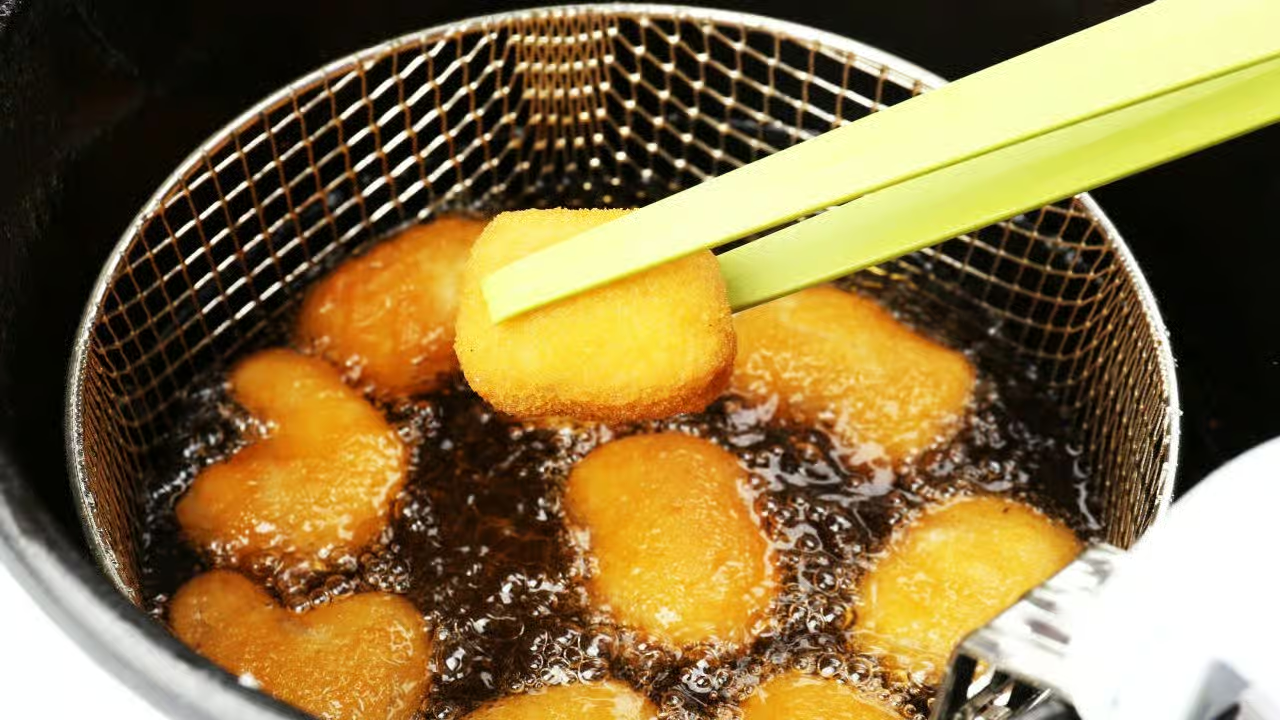
In the culinary world, the quality of food is paramount, and one of the key determinants of this quality is the oil used in frying. Fryer oil plays a crucial role in defining taste, texture, and overall appeal. Proper fryer oil change frequency management is essential for maintaining high food standards and ensuring customer satisfaction.
The science behind frying involves immersing food in hot oil to cook it quickly and evenly. Over time, however, fryer oil degrades due to exposure to heat, moisture from food particles, and air. This degradation affects not only the flavor but also the nutritional value and safety of fried foods. When fryer oil change frequency breaks down, it can lead to undesirable flavors such as bitterness or rancidity that compromise the intended taste profile of dishes.
Regularly changing fryer oil is vital because old or overused oil can negatively impact both health aspects and sensory qualities of food. For instance, degraded oils are more likely to form harmful compounds such as acrylamide—a potential carcinogen—when heated repeatedly at high temperatures. Additionally, these oils tend to absorb into food more readily than fresh oils do, resulting in greasy textures that are less appealing.
To manage fryer oil effectively requires understanding several factors: type of cuisine served; volume of fried products; specific recipes; operating hours; and equipment usage patterns all influence how often an establishment should change its cooking medium. High-volume operations may need daily changes while smaller venues might get by with weekly replacements depending on their menu offerings.
Monitoring tools have become indispensable aids in determining optimal times for changing out used fats/oils within commercial kitchens today—from test strips measuring free fatty acids (FFAs) levels indicating oxidation rates present through digital sensors providing real-time data about temperature fluctuations affecting stability during use cycles—ensuring precise interventions occur before deterioration reaches critical points compromising dish integrity altogether!
Moreover training staff members regarding best practices around proper handling/storage techniques ensures longevity extends beyond single batch usages alone safeguarding investments made initially purchasing premium-grade ingredients upfront! Educating team members enables them recognize signs requiring immediate attention like off-putting smells/colors appearing prematurely compared against previous experiences working similar shifts previously encountered elsewhere within industry settings alike further enhancing operational efficiencies achieved collectively across board seamlessly together too simultaneously without sacrificing consistency whatsoever either way ultimately benefiting everyone involved long-term success-wise equally so no matter what circumstances arise unexpectedly along journey ahead moving forward always prepared ready tackle challenges head-on confidently knowing exactly steps take next accordingly every step away throughout entire process start finish end goal achieving desired outcomes consistently reliably dependably predictably unfailingly each time guaranteed satisfaction delivered patrons returning again soon thereafter!